Meditation is wonderfully simple. You can sit somewhere comfortable, notice your breathing, and gently return your attention whenever your mind wanders.
You do not need special equipment to meditate.
But simple does not always mean easy.
Maybe your mind races the moment you close your eyes. Perhaps you keep checking the time. Your home might be noisy, your body may feel uncomfortable after a few minutes, or you may simply forget to practice until another busy day has passed.
That is where meditation gadgets can sometimes help.
From brain-sensing headbands and handheld breathing coaches to simple meditation timers and comfortable cushions, these tools are designed to remove some of the little obstacles that make meditation harder to maintain.
The best meditation gadget is not necessarily the most advanced or expensive one. It is the one that solves a problem you actually have.
Here are 11 meditation gadgets and tools worth knowing about, along with who they may be most helpful for.
What Are Meditation Gadgets?
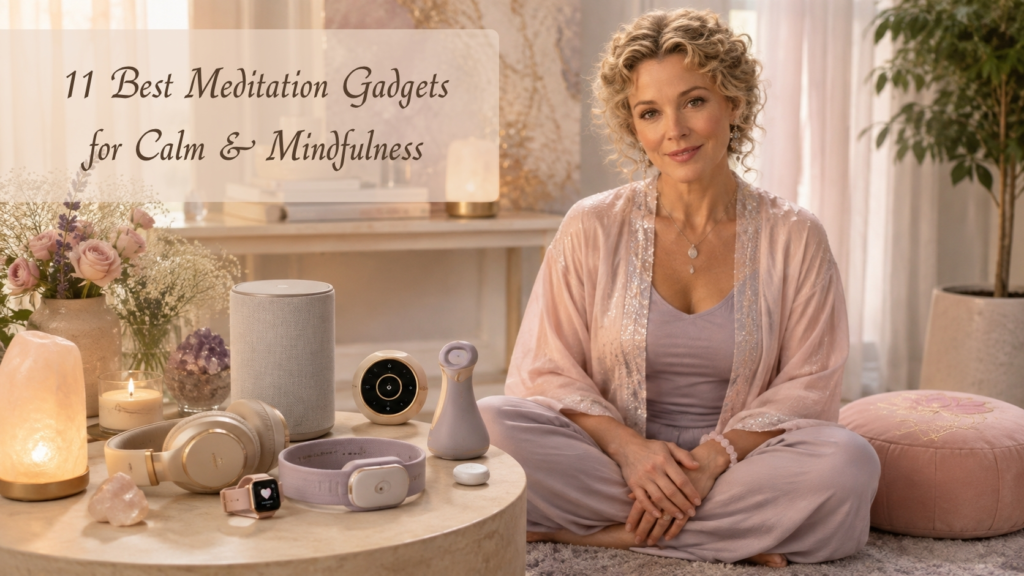
Meditation gadgets are devices or accessories designed to support meditation, mindfulness, breathing exercises, relaxation, or the environment in which you practice.
Some are highly technological. They may measure brain activity, heart rate, heart rate variability, breathing patterns, or movement.
Others are much simpler.
A meditation timer prevents you from wondering how much time is left. Noise-canceling headphones create a quieter environment. A meditation cushion can make sitting more comfortable.
In other words, a meditation gadget does not need to “do” the meditation for you.
Its job is simply to make practicing a little easier.
Quick Guide to the Best Meditation Gadgets
| Meditation gadget | Best for |
|---|---|
| Muse 2 | Meditation biofeedback |
| Moonbird | Guided breathing |
| HeartMath Inner Balance | HRV biofeedback |
| Sensate | Body-based relaxation |
| Morphée Mood | Screen-free meditation |
| Noise-canceling headphones | Noisy environments |
| Meditation timer | Phone-free meditation |
| Smartwatch | Reminders and simple tracking |
| Smart speaker | Guided meditation at home |
| Ambient smart light | Creating a meditation ritual |
| Meditation cushion or bench | Comfortable sitting |
1. Muse 2 Meditation Headband
Best for: People who like feedback and have trouble knowing whether they are settling into meditation
For some people, meditation feels frustratingly invisible.
You sit. You breathe. Your thoughts wander. You bring your attention back.
But you may wonder: Am I actually getting better at this?
The Muse 2 takes a much more data-driven approach to meditation.
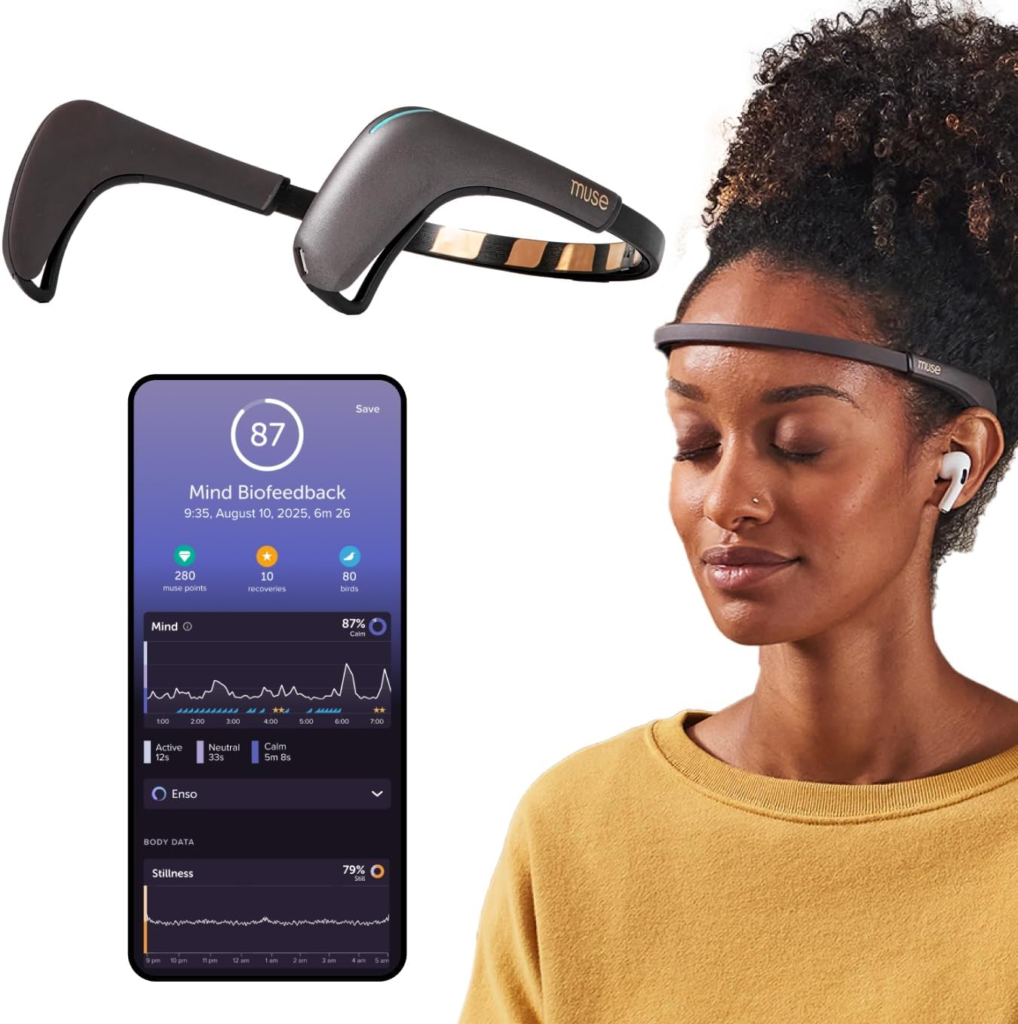
Muse uses EEG sensors to detect electrical brain activity and also includes sensors for heart rate, breathing, posture, and movement. During certain meditation sessions, it translates your activity into real-time audio feedback. For example, changing weather sounds can reflect changes in your mental activity.
That can make meditation feel more interactive for someone who enjoys measurable feedback.
Why it may help
Instead of wondering whether your attention has wandered, you receive feedback and practice returning your focus.
That creates an interesting bridge between traditional meditation and modern biofeedback.
Keep in mind
More information is not always more mindfulness.
If you already tend to judge yourself by scores, streaks, and performance metrics, turning meditation into another activity to measure may be counterproductive.
Muse may be particularly appealing if data motivates you. If numbers make you more anxious, a simpler meditation tool may suit you better.
2. Moonbird Breathing Coach
Best for: People who struggle to slow their breathing without guidance
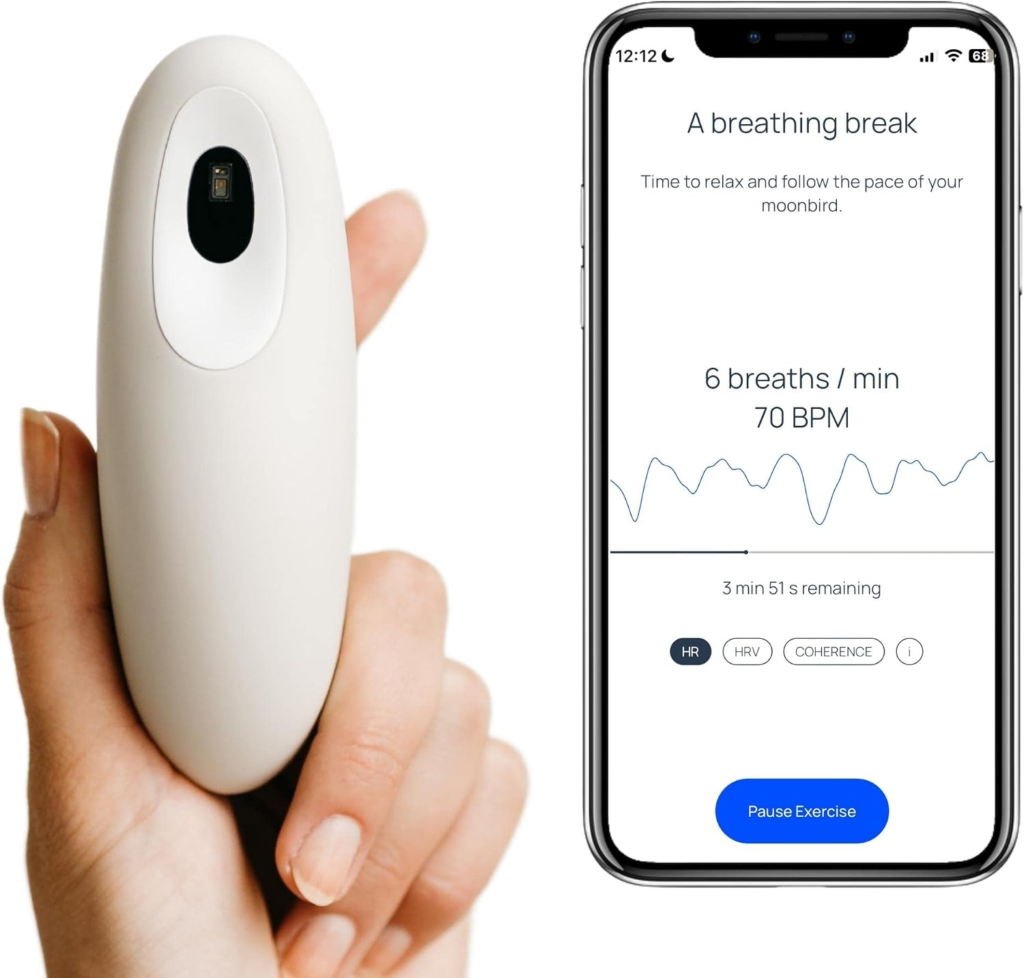
Moonbird is one of the more unusual meditation gadgets because you do not need to stare at a screen to follow it.
You hold the small device in your hand.
It slowly expands.
You breathe in.
It contracts.
You breathe out.
The physical movement gives your attention something gentle and tangible to follow. Moonbird can work on its own as a screen-free breathing guide, while its companion app can provide heart-rate and heart-rate-variability feedback and additional personalization.
Why it may help
Many breathing exercises involve watching an animation, counting seconds, or listening closely to instructions.
Moonbird allows you to follow your breathing primarily through touch.
That can be particularly appealing if your goal is to spend less time looking at your phone.
You could also use it before meditation: spend a few minutes following the breathing rhythm, put the device aside, and continue sitting quietly.
Keep in mind
You do not need a device to practice slow breathing.
If you can comfortably follow a simple breathing exercise without assistance, Moonbird may not add enough value to justify buying another gadget.
Moonbird also states that its products are wellness products rather than medical devices and are not intended to diagnose or treat medical conditions.
3. Flowtime Biosensing Meditation Headband
Best for: People who want detailed brainwave and body feedback from their meditation practice
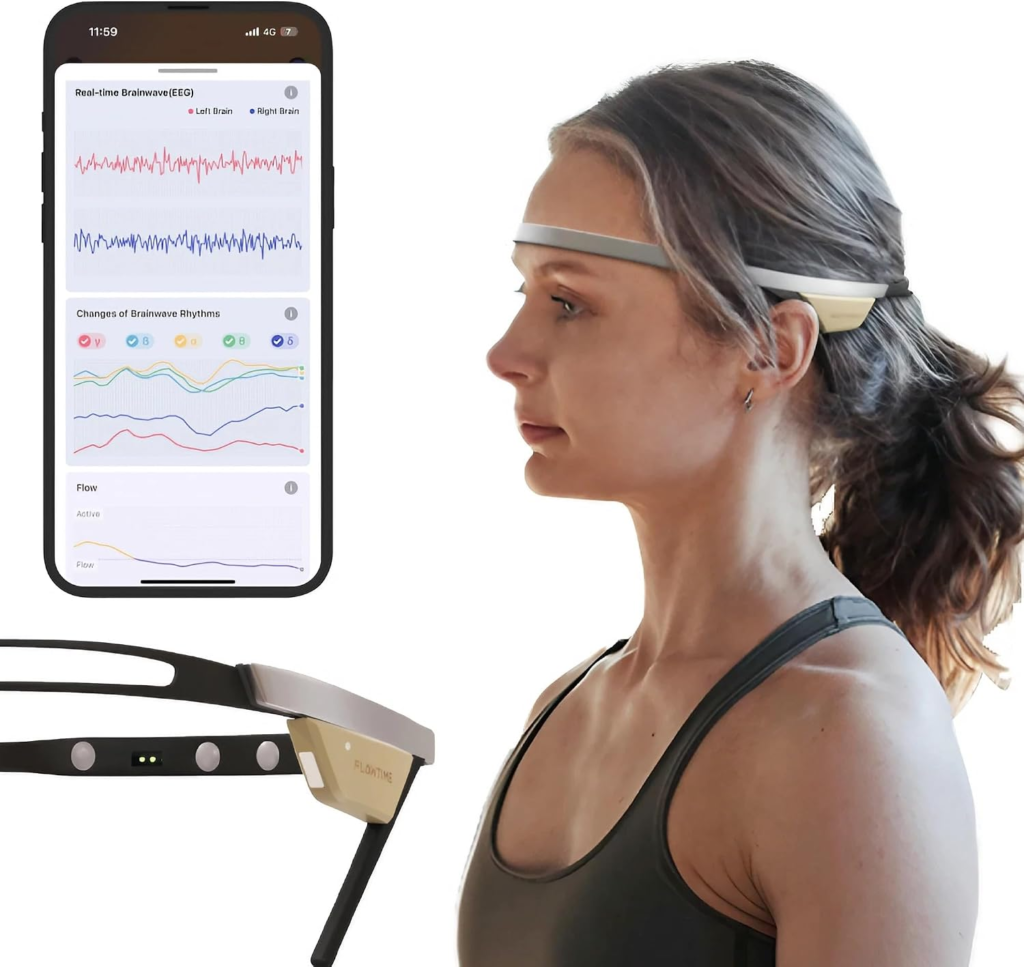
If you enjoy seeing what is happening in your body and brain while you meditate, the Flowtime Biosensing Meditation Headband offers a more data-focused approach.
Flowtime uses EEG and PPG sensors to monitor a range of signals during meditation. Its app can display brainwave activity—including alpha, beta, theta, delta, and gamma waves—along with heart rate, heart rate variability (HRV), attention, relaxation, and other meditation-related metrics.
The device also provides real-time audio biofeedback. You can choose a metric or meditation goal, and Flowtime can give you an audio cue when your readings reach the state you are working toward.
After your session, you can review detailed reports to see how your measurements changed throughout the practice.
Why it may help
Meditation can sometimes feel difficult to measure.
You may finish a session wondering:
Was I actually calmer? When was I most focused? Did anything change while I was meditating?
Flowtime gives curious, data-oriented meditators something tangible to explore.
It may be particularly appealing if you enjoy tracking progress, experimenting with different meditation techniques, or comparing how your body responds to breathing exercises, guided meditation, music, and silent practice.
Flowtime also offers a free timer mode that can record your biodata while you listen to audio from other meditation or music apps. According to the manufacturer, a subscription is not required for the basic timer functionality.
Flowtime vs. Muse 2
Because both Flowtime and Muse appear in this list, you may wonder whether they are too similar.
They do overlap, but I would think of them slightly differently.
Muse 2 is a good choice for someone who wants an approachable, guided biofeedback experience.
Flowtime is especially interesting for someone who wants to dig deeper into meditation data and examine multiple brainwave and physiological measurements after each practice.
So if you love charts, metrics, and experimenting with your meditation routine, Flowtime may be the more interesting option.
Keep in mind
More data does not automatically lead to better meditation.
It can be fascinating to see your brainwaves, HRV, attention, and relaxation measurements, but try not to turn every meditation into a performance test.
A restless meditation is not necessarily a failed meditation.
The practice is still about noticing what is happening and gently returning your attention—not chasing the perfect graph.
Use the numbers as information and curiosity rather than as a score for how “good” you are at meditating.
4. Sensate
Best for: People who find body-based relaxation easier than sitting meditation
Not everyone finds it easy to sit still and focus on the breath.
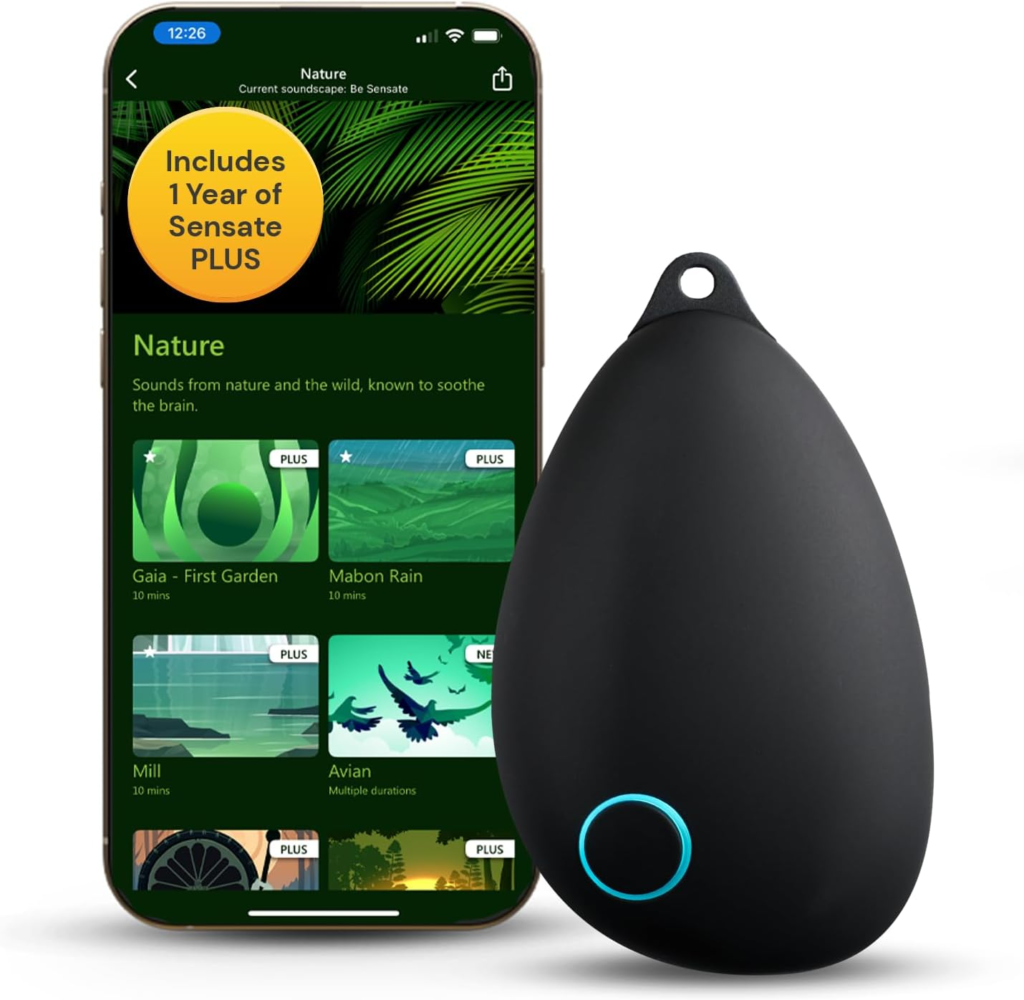
Sensate takes a more sensory approach.
The device is placed over the sternum and works with an app to provide low-frequency vibrations synchronized with audio soundscapes. Headphones are recommended for the full audio experience, although the company says they are optional.
Instead of focusing primarily on thoughts, you have physical sensations and sound to anchor your attention.
Why it may help
Sometimes the instruction to “clear your mind” makes people tense up even more.
A tactile experience gives the mind somewhere concrete to rest.
You could use a Sensate session as its own relaxation ritual or as a transition before a quieter meditation practice.
Keep in mind
Sensate markets the device using nervous-system and vagus-nerve language. Some of those claims go beyond what you need to rely on when deciding whether the device is useful for meditation.
The simplest way to think about it is as a sound-and-vibration relaxation device.
What matters most is whether the sensory experience actually helps you settle.
5. Morphée Mood Meditation Box
Best for: People who want guided meditation without their phone
Sometimes the device that distracts us from mindfulness is the same device delivering our meditation.
You open your phone to start a meditation.
- Then you see a message.
- Then an email.
- Then somehow you are reading something completely unrelated ten minutes later.
That is why dedicated screen-free devices can be appealing.
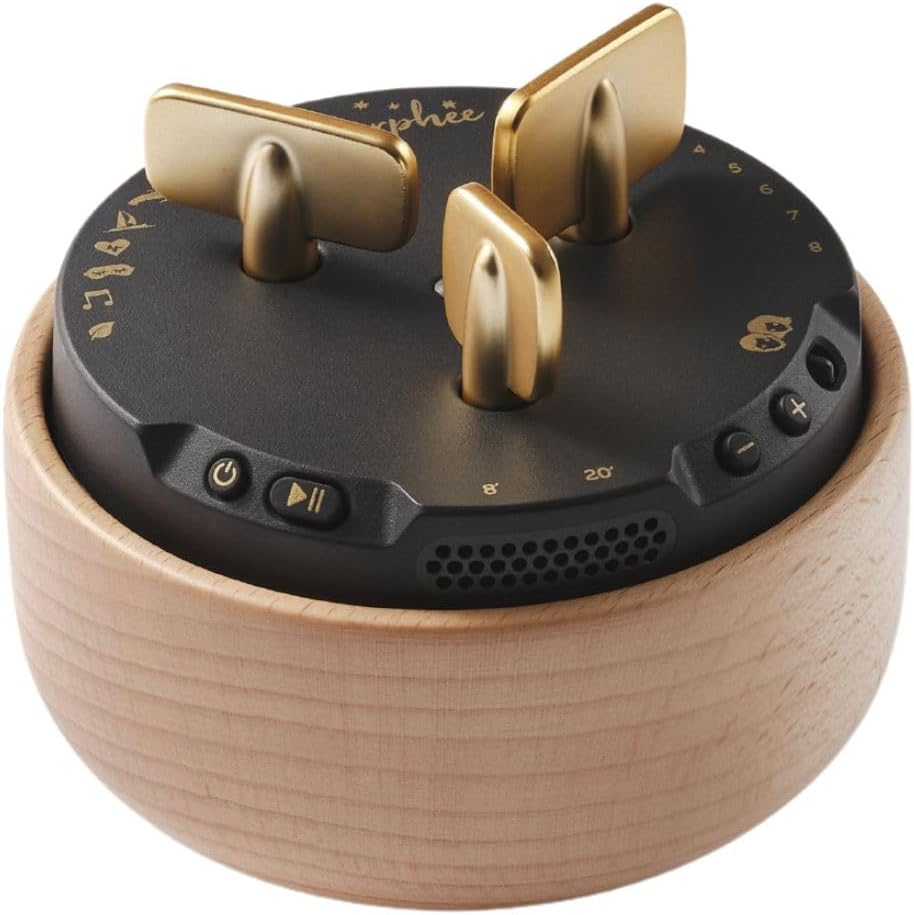
Morphée currently offers Mood, which the company describes as a dedicated meditation box. Morphée also emphasizes creating disconnected wellness products rather than experiences built around a smartphone screen.
Why it may help
There is something refreshing about having one object with one purpose.
Instead of opening an app surrounded by notifications and endless content choices, you can create a small ritual around a dedicated meditation device.
Place it beside your meditation cushion.
Choose your practice.
Put the rest of the digital world somewhere else.
Keep in mind
A dedicated meditation device offers convenience, but it also gives you less flexibility than a smartphone loaded with meditation apps, podcasts, and music.
It is most attractive if reducing screen time is one of your main goals.
Simple Meditation Gadgets You May Already Own
The next meditation tools are less futuristic—and that is exactly the point.
You do not necessarily need specialized wellness technology.
Sometimes a device you already have can solve the problem just as well.
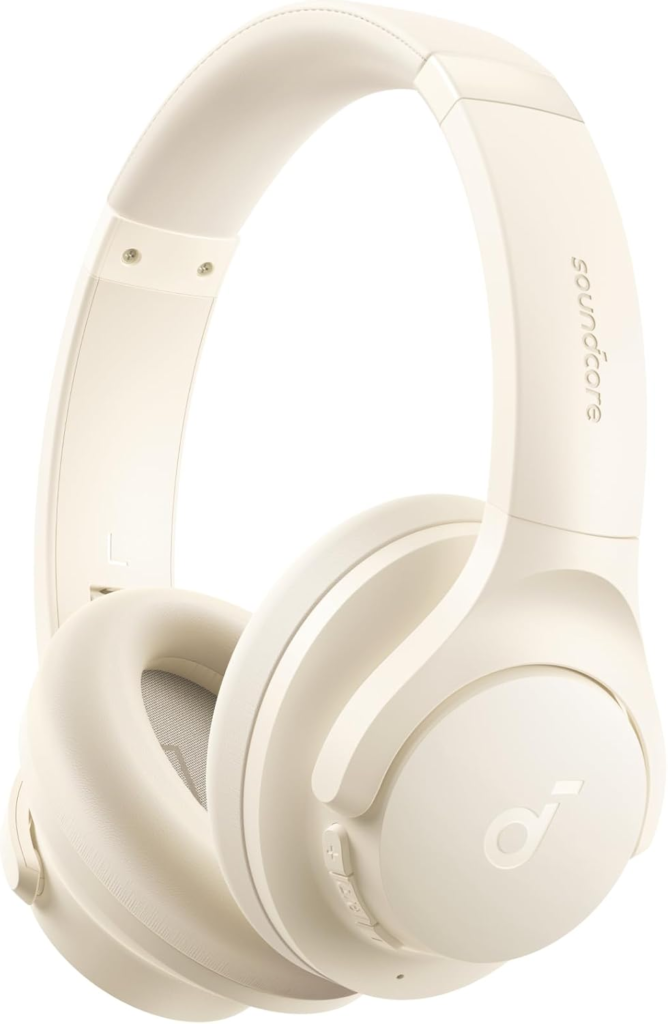
6. Noise-Canceling Headphones
Best for: Meditation in noisy homes, apartments, offices, or while traveling
Noise is one of the most common practical barriers to meditation.
Someone is talking in another room.
Traffic is passing outside.
A television is playing.
Your neighbors have apparently decided that now is the perfect time to rearrange their furniture.
Noise-canceling headphones can create a more consistent meditation environment, especially when combined with gentle meditation music, nature sounds, white noise, or a guided meditation.
Why they may help
The benefit is not that meditation requires silence.
In fact, learning to notice sounds without immediately reacting to them can become part of mindfulness practice.
But beginners sometimes benefit from removing unnecessary distractions while they learn how to settle their attention.
Keep in mind
Do not feel that you must block out every sound forever.
Over time, you may experiment with allowing ordinary noises to become part of your meditation:
hearing… noticing… returning.
That is mindfulness too.
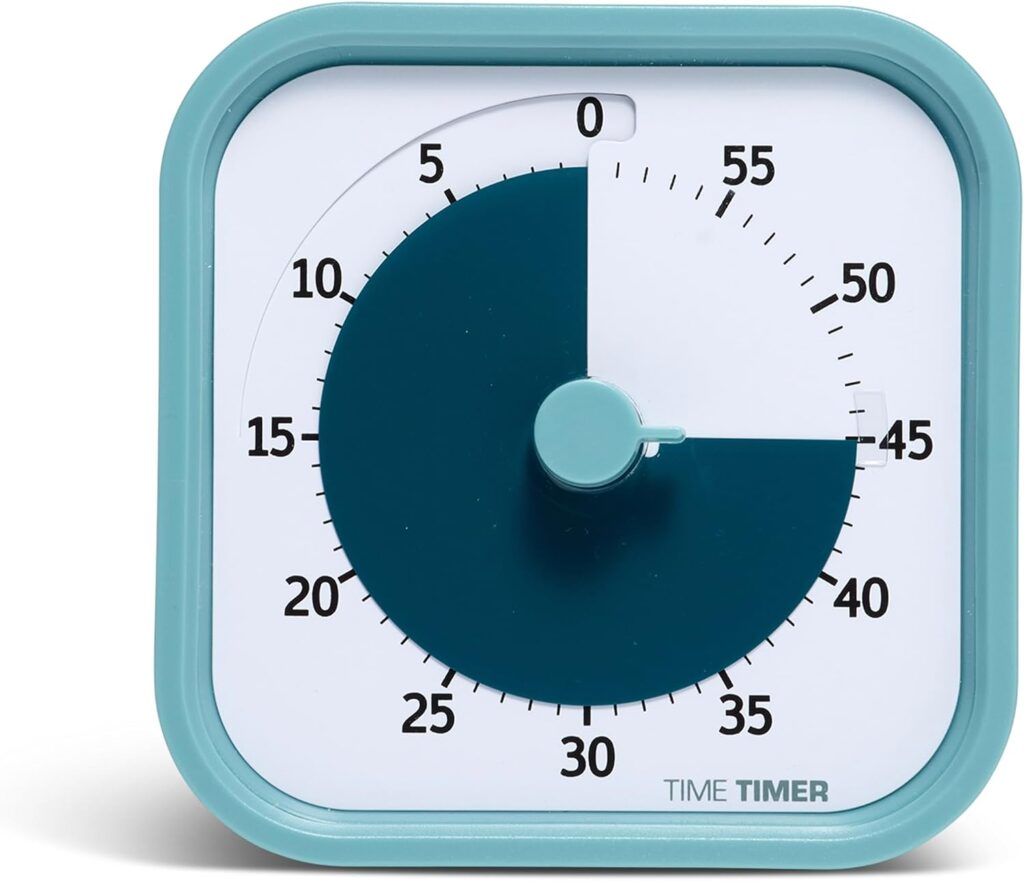
7. A Dedicated Meditation Timer
Best for: Anyone who keeps checking the clock
One of the simplest meditation gadgets may also be one of the most useful.
A timer.
When you know a gentle bell will tell you when your meditation is finished, you do not have to keep wondering:
Has it been ten minutes yet?
A dedicated timer can also help you leave your phone outside your meditation space.
Why it may help
A timer creates a clear container for the practice.
Set five minutes.
Sit down.
For those five minutes, there is nowhere else you need to be.
That feeling of permission can be surprisingly powerful.
Keep in mind
There is no perfect meditation length.
Five mindful minutes are more useful than forcing yourself through thirty miserable ones simply because you think longer meditation is somehow more legitimate.
Start where you are.
8. Smartwatch
Best for: People who want a meditation tool without buying another device
If you already wear a smartwatch, look at what it can do before purchasing a specialized meditation gadget.
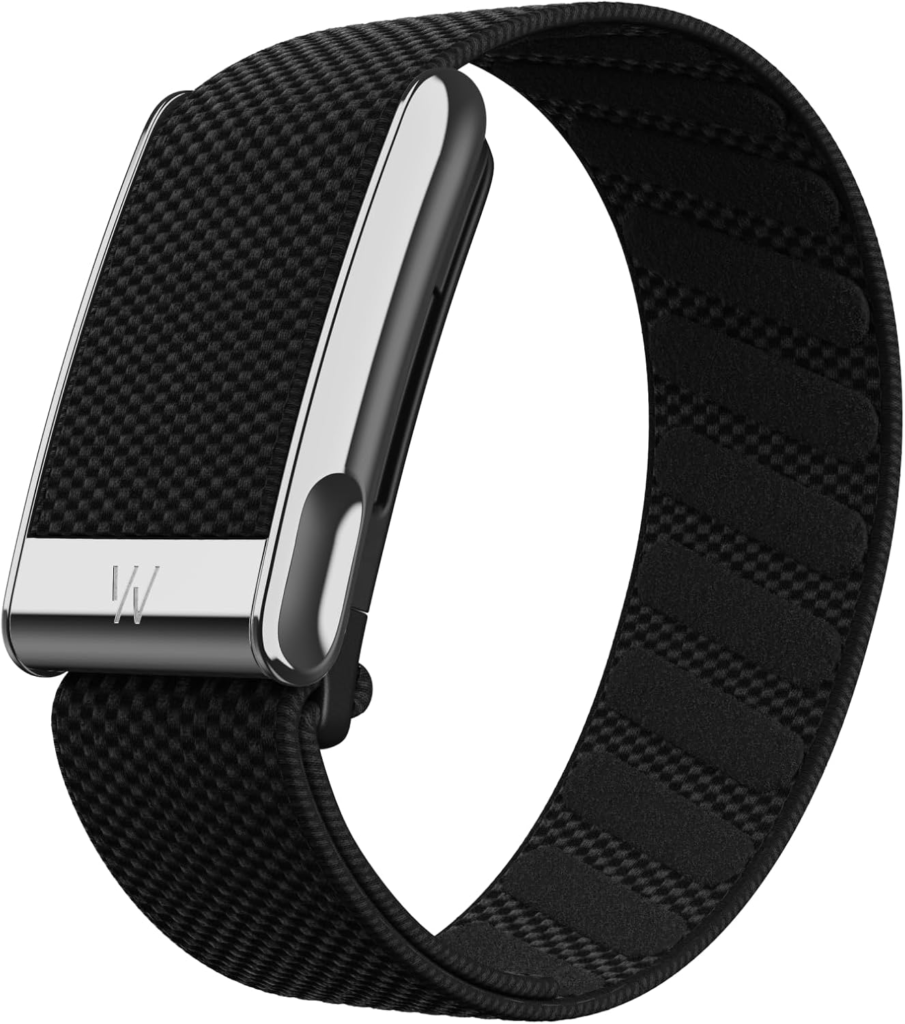
Depending on the watch and software you use, you may already have access to breathing prompts, mindfulness reminders, timers, heart-rate tracking, vibration alerts, or guided wellness exercises.
Why it may help
A smartwatch can gently remind you to pause without requiring you to pick up your phone.
That makes it particularly useful for micro-meditations.
For example:
Your watch reminds you to pause.
You stop for sixty seconds.
Feel your feet.
Relax your shoulders.
Take three slower breaths.
Notice what is happening inside you.
Continue with your day.
Meditation does not always need a cushion and twenty minutes of silence.
Keep in mind
Turn off unnecessary notifications during meditation.
Your mindfulness device becomes considerably less mindful if it vibrates halfway through your practice because someone liked your photo.
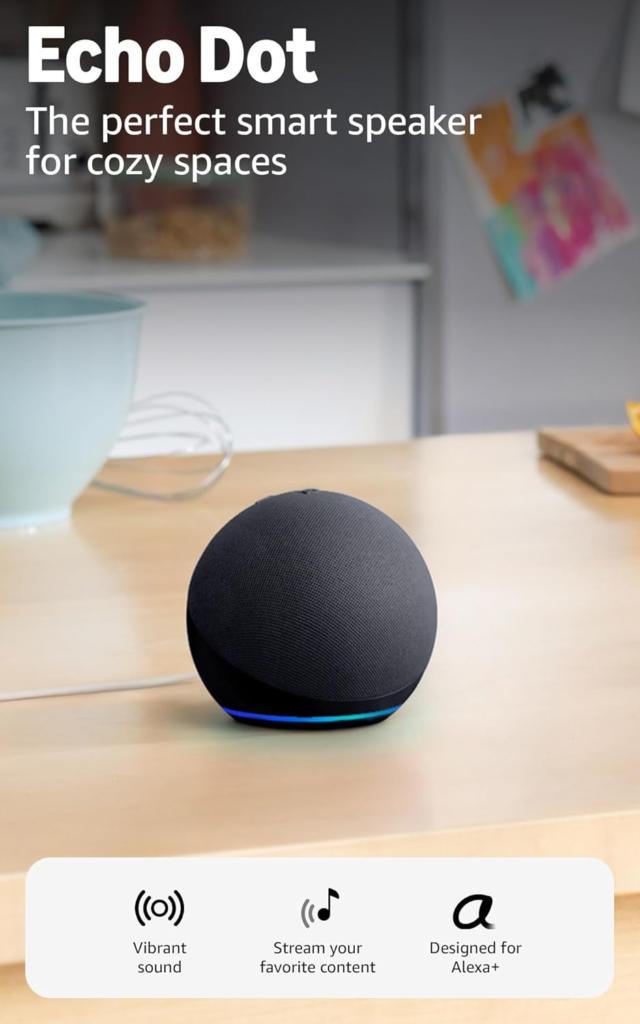
9. Smart Speaker
Best for: Hands-free guided meditation and meditation music at home
A smart speaker can become a surprisingly useful mindfulness tool.
You can use it for guided meditations, nature sounds, calming music, meditation timers, or ambient sound without needing to hold your phone.
For a morning practice, you might make meditation part of a simple sequence:
Wake up.
Open the curtains.
Drink some water.
Ask your speaker to play calming meditation music.
Sit for ten minutes.
Starting the day with a consistent practice can be easier when you remove tiny decisions from the routine.
The goal is not to build a complicated “perfect morning.”
It is simply to make your next mindful choice a little easier.
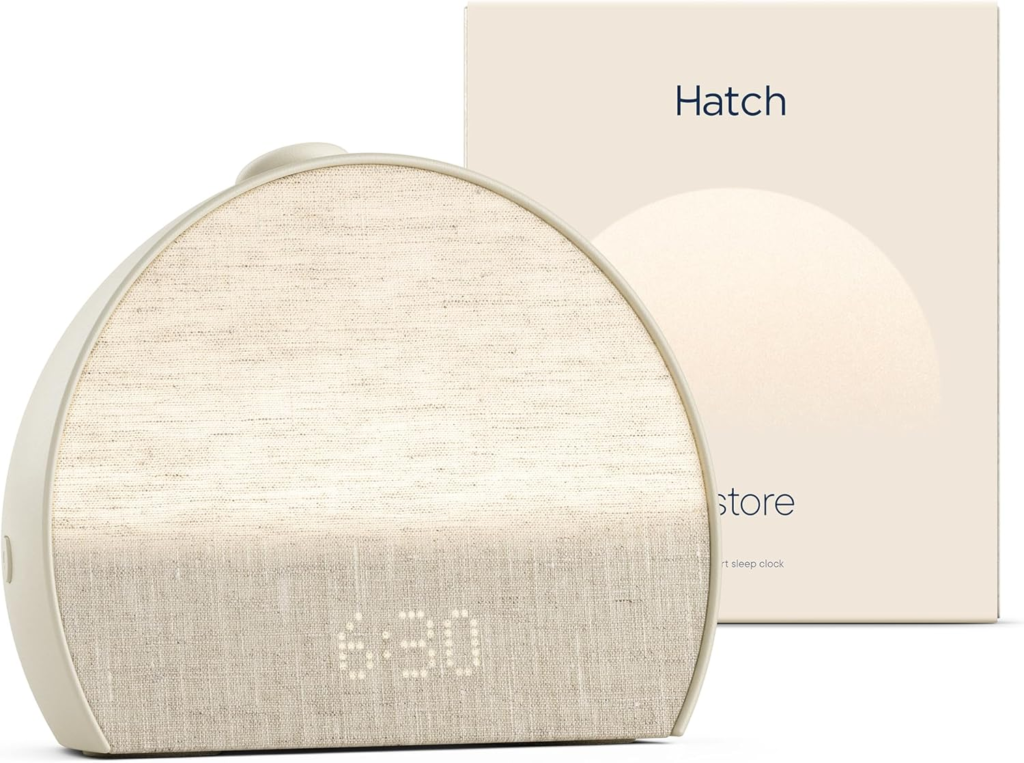
10. Sunrise or Ambient Smart Light
Best for: Creating a calming meditation ritual
This gadget does not teach meditation.
It changes the environment around it.
And sometimes environment matters more than we realize.
A harsh ceiling light, cluttered desk, and buzzing phone do not exactly tell your brain, This is our quiet moment.
A warm ambient light can help create a recognizable transition into meditation.
Why it may help
Habits become easier when they have cues.
Imagine programming a lamp to switch to a soft warm setting at 8:30 every evening.
Eventually that change in light can become a small reminder:
The busy part of the day is ending.
You lower the lights.
Put the phone away.
Sit somewhere comfortable.
Take a few breaths.
The gadget is not creating mindfulness.
It is creating the doorway into it.
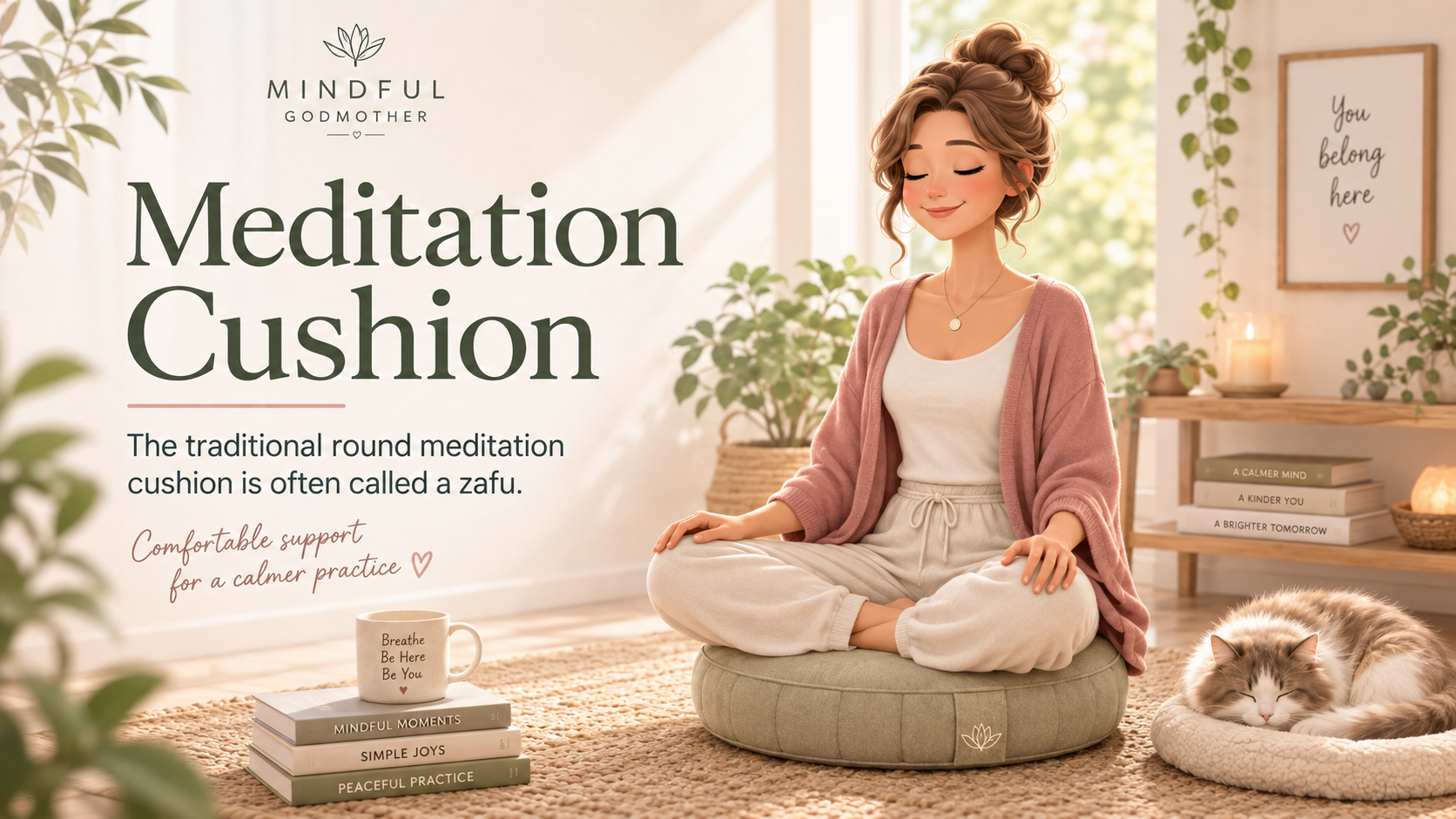
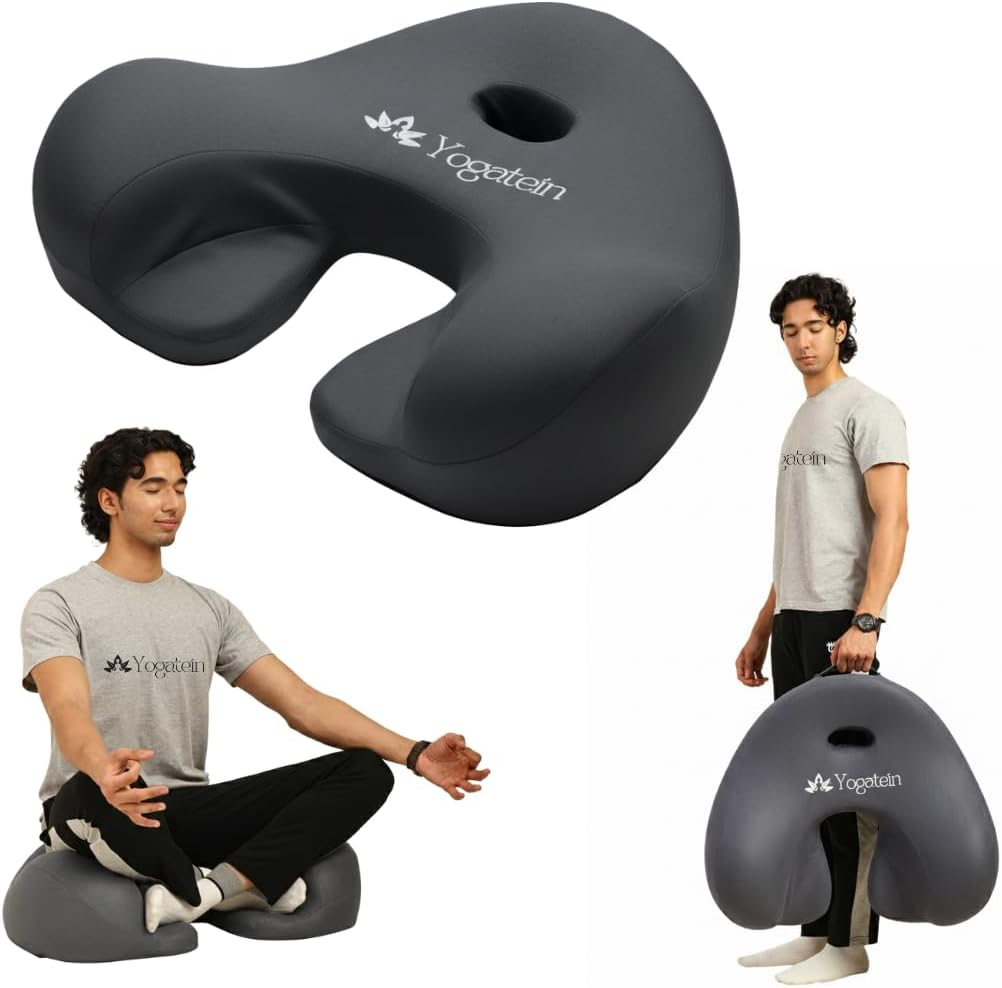
11. Meditation Cushion or Bench
Best for: Anyone who becomes uncomfortable while sitting
Technically, a meditation cushion is not much of a “gadget.”
But it may be more useful than many sophisticated meditation devices.
Physical discomfort can dominate your attention.
- Your ankle hurts.
- Your hips feel tight.
- Your back is tired.
Suddenly your peaceful meditation has become a detailed investigation into every joint in your body.
A supportive cushion or meditation bench can make sitting more comfortable and help you find a position you can maintain without unnecessary strain.
Why it may help
Meditation does not require sitting cross-legged on the floor.
You can meditate:
- on a cushion,
- on a bench,
- in a chair,
- lying down,
- standing,
- or even while walking.
The important part is not looking like someone who meditates.
It is creating enough physical ease that you can pay attention.
How to Choose the Right Meditation Gadget
With so many wellness devices available, it is easy to start shopping before asking whether you actually need one.
Instead, begin with a different question:
What is making meditation difficult for me?
Your answer can point you toward the right tool.
If your mind constantly wanders
Consider a tool that provides structured feedback, such as Muse 2, or begin with guided meditation.
If you struggle with breathing exercises
A tactile breathing coach such as Moonbird may make the rhythm easier to follow.
If you enjoy physiological data
HeartMath Inner Balance may appeal to you because it centers on HRV biofeedback.
If sitting quietly feels difficult
A sensory relaxation device such as Sensate may provide a gentler entry point.
If your phone keeps distracting you
Consider a dedicated meditation timer or a screen-free device such as Morphée Mood.
If your environment is noisy
Noise-canceling headphones may solve the problem more effectively than an expensive meditation-specific gadget.
If you forget to meditate
Use your smartwatch, smart speaker, light, or another device you already own as a consistent practice cue.
If your body becomes uncomfortable
Start with a better cushion, bench, or chair before buying advanced meditation technology.
Are Expensive Meditation Gadgets Worth It?
Sometimes.
But price and usefulness are not the same thing.
A sophisticated brain-sensing meditation headband may be fascinating for someone who loves feedback and tracking.
For someone else, it may spend six months sitting in a drawer while a simple $10 timer gets used every morning.
Before buying an expensive meditation device, ask yourself:
- What exact problem am I trying to solve?
- Does this gadget directly solve that problem?
- Will I realistically use it several times a week?
- Do I prefer data, guidance, sensory feedback, or simplicity?
- Could something I already own do the same job?
There is nothing wrong with enjoying technology.
The goal is simply to make sure the technology supports the practice rather than becoming the practice.
Meditation Gadgets vs. Meditation Apps
Meditation gadgets and meditation apps can both be helpful, but they solve slightly different problems.
| Meditation gadget | Meditation app |
|---|---|
| May provide physical or biofeedback | Primarily provides content and guidance |
| Can offer tactile interaction | Usually relies on audio or video |
| Some work without screens | Usually requires a phone or tablet |
| Often has a higher upfront cost | Often free or subscription-based |
| Usually designed for a specific purpose | Can contain hundreds of meditation styles |
| Can reduce phone dependence | Convenient because your phone is already with you |
If your biggest challenge is knowing what meditation to practice, an app may be enough.
If your challenge is staying with your breath, understanding biofeedback, reducing phone distractions, or creating a physical meditation ritual, a gadget may offer something different.
Can Meditation Gadgets Help With Stress?
Meditation gadgets may support practices commonly used for relaxation, including slow breathing, meditation, mindfulness, calming sensory experiences, and creating a quieter environment.
That does not mean a device can guarantee that you will feel calm.
And wellness gadgets should not be treated as replacements for qualified medical or mental-health care.
Think of them as tools.
A cushion supports your body.
A breathing coach supports your breathing practice.
A timer protects a few quiet minutes.
A biofeedback device gives you information.
But the deeper work still happens in the relationship you develop with your own attention.
The Best Meditation Gadget Might Be No Gadget at All
There is a quiet irony in using technology to help us disconnect from technology.
And yet, the two do not have to be enemies.
A meditation gadget can be useful if it helps you arrive.
It can remind you to stop scrolling.
Help you follow your breathing.
Make a noisy room quieter.
Give you something tangible to focus on.
Or simply encourage you to practice consistently enough that mindfulness begins to feel familiar.
But eventually, meditation brings you back to something much simpler.
One breath.
One sensation.
One sound.
One wandering thought noticed without judgment.
And one gentle return to the present moment.
You do not need a gadget for that.
You are already carrying everything you need.